
The hidden psychology behind casino design
The allure of the environment
The design of a casino transcends mere aesthetics; it is intricately woven into the fabric of human psychology. Upon entering, patrons are greeted with a combination of vibrant colors and captivating lights that create an immediate sense of excitement and allure. These elements are intentionally crafted to evoke feelings of exhilaration and curiosity, drawing individuals deeper into the establishment, where options like online pokies nz enhance the overall experience. The psychological impact of such an environment is significant, as studies show that stimulating visuals can activate the brain’s reward system, encouraging prolonged engagement and exploration.
Another fascinating aspect of casino design is the use of spatial layout to influence behavior. Many casinos employ a labyrinthine arrangement, ensuring that guests are compelled to walk through various gaming areas to find their way. This strategic design minimizes the chances of patrons exiting too quickly; instead, they are lured to explore various gaming options. The endless corridors and interconnected rooms create a sense of adventure, making it challenging for players to resist the temptation of trying their luck at a new game.
Moreover, the placement of amenities such as bars, restaurants, and entertainment venues is meticulously planned. These spaces are not merely for convenience; they serve to reinforce the immersive experience. For instance, the sound of clinking glasses and laughter emanating from the bars often mingles with the sounds of spinning slots and cheering players, creating a multisensory experience that heightens the enjoyment of the casino atmosphere. This careful orchestration of sound and sight is designed to keep guests engaged for extended periods, increasing the likelihood of gambling and spending.
The psychological effects of sound
Sound design plays a pivotal role in shaping the casino experience. The auditory atmosphere inside a casino is curated to enhance excitement and stimulate action. The rhythmic jingles of slot machines, combined with upbeat background music, create an engaging environment that can heighten the emotional state of players. Research indicates that certain musical tempos can influence a person’s pace of play, prompting them to bet more and make quicker decisions in response to the euphoric feelings elicited by the sounds around them.
Furthermore, the use of sound can guide behavior in more nuanced ways. For instance, a casino may employ softer music in high-stakes areas to promote a more relaxed atmosphere, encouraging players to enjoy their experience without feeling rushed. Alternatively, louder, more energetic music may be used around popular game tables to generate excitement and a sense of urgency among players. This clever manipulation of audio elements serves to create an inviting yet stimulating environment where guests are more likely to explore and engage in gaming activities.

The psychological impact of sound extends beyond mere ambiance; it also reinforces the thrill of winning. The celebratory sounds of jackpots being won are intentionally amplified to elicit excitement and curiosity from nearby players. This phenomenon creates a social atmosphere where guests feel inclined to try their luck, believing that they too might experience similar wins. The contagious nature of these auditory cues adds to the overall allure of the casino environment, fostering a community of thrill-seekers eager to join in the excitement.
Color psychology and its influence
The use of color in casino design is not arbitrary; it is a carefully studied element that interacts with human psychology. Different colors evoke various emotional responses, and casinos leverage this knowledge to shape the mood of their spaces. For example, warm colors like red and yellow are often used to stimulate appetite and excitement, while cooler colors like blue can create a sense of calmness. This strategic choice influences how players feel and behave within the casino environment.
Additionally, the strategic use of color to mark different gaming sections can guide and influence player behavior. Bright colors may draw attention to new or popular games, enticing players to engage. Conversely, more subdued colors might be reserved for areas where relaxation is encouraged, such as lounges or high-limit rooms. The interplay of these colors not only enhances the aesthetic of the casino but also serves to direct focus and create an ambiance conducive to gambling.
The idea of familiarity and comfort is also crucial in color selection. Casinos often employ color schemes that evoke a sense of nostalgia or familiarity among players, which can positively affect their willingness to stay and gamble. For instance, historical or vintage-themed sections might utilize an earthier palette to remind players of earlier gaming experiences, building a subconscious connection that encourages extended participation. This calculated use of color contributes significantly to the overall retention of guests within the casino environment.
Creating a sense of time and place
Cassinos are adept at creating spaces that distort the typical perception of time, often making hours feel like mere minutes. One common tactic is the lack of windows and clocks within the gaming areas. By removing natural light and time indicators, patrons lose track of the progression of time, which can lead to longer gambling sessions. This design choice is rooted in understanding how the human brain processes time in relation to environmental cues, and it effectively maximizes player engagement.
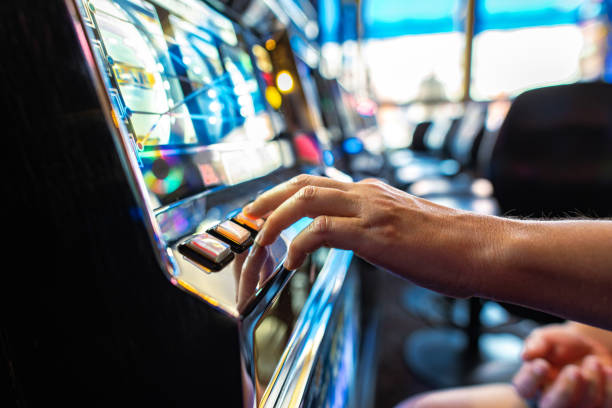
The carefully controlled lighting throughout a casino also plays a crucial role in this time distortion. Bright, stimulating lights in gaming areas create an energetic ambiance that keeps individuals awake and engaged, while softer lighting in rest areas encourages relaxation. This careful balance guides players seamlessly from one activity to another, ensuring that they remain within the casino for extended periods, contributing to increased spending.
Moreover, the psychological concept known as the “flow state” is essential in casino design. This state occurs when individuals become so absorbed in an activity that they lose awareness of their surroundings and time. Casinos aim to foster such experiences by providing games that require skill and strategy, alongside those that rely on chance. This combination can keep players engaged for longer, as they seek to maintain the flow state, immersing themselves in the thrill of potential winnings while momentarily forgetting about the outside world.
Understanding the online experience
The principles of casino design have also extended into the realm of online gaming, where understanding user psychology remains crucial. Online casinos utilize various design strategies to simulate the excitement and ambiance of physical casinos. Features such as vibrant graphics, engaging sound design, and interactive elements are all crafted to create an immersive experience that keeps players engaged. The aim is to replicate the thrill of being in a physical space, facilitating a sense of camaraderie and competition among players.
Website navigation and layout also play a crucial role in user experience. Intuitive designs that guide players toward popular games or new offerings can significantly increase engagement. The placement of bonuses and promotions draws users’ attention and encourages increased playtime. By using color and design to highlight these features, online casinos create an enticing atmosphere that mirrors the energy found in brick-and-mortar establishments.
Finally, the online gaming experience capitalizes on the psychological principle of instant gratification. With a simple click, players can access a world of gaming without the physical constraints of travel or time. This convenience caters to the modern player’s expectations, heightening the instant rewards that come with every spin or deal. Furthermore, many online platforms incorporate social elements, such as chat features or leaderboard systems, fostering a sense of community and competition that keeps players returning, much like the allure of a physical casino.
